
CNC Turned Parts from Bar Stock with Assembly
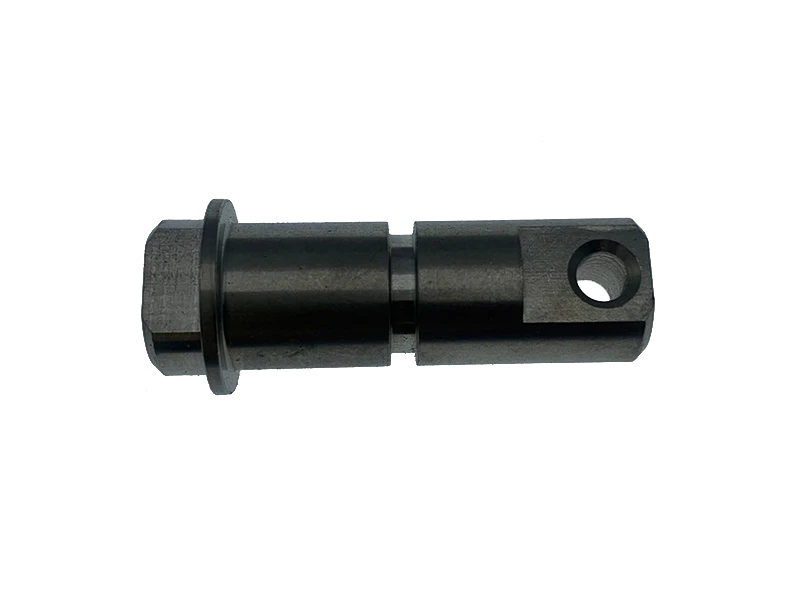
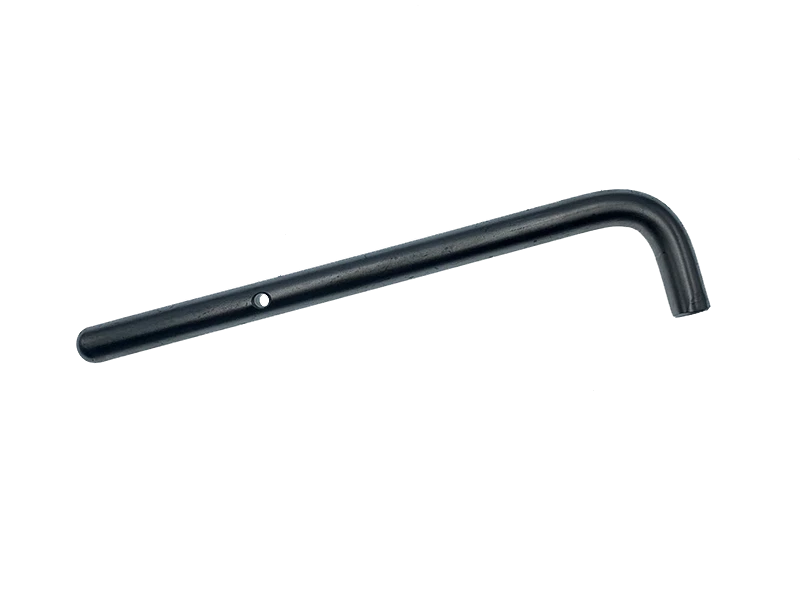
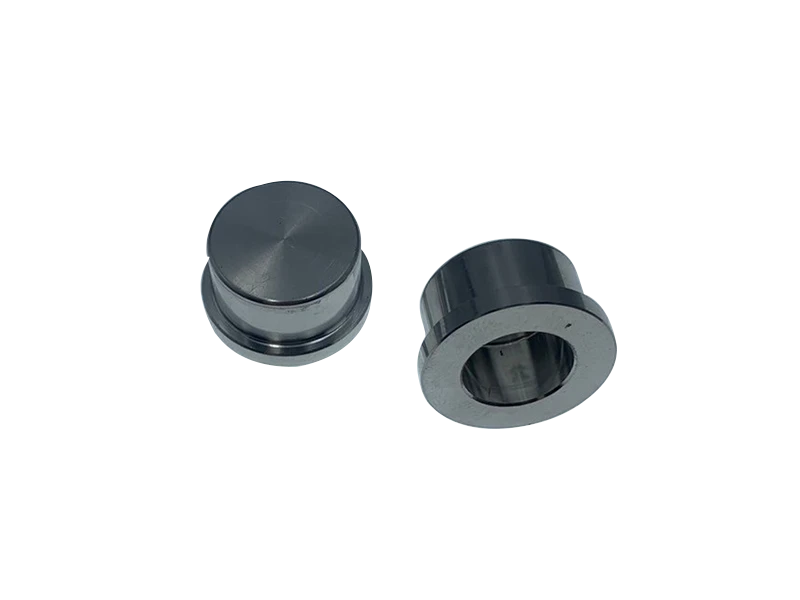
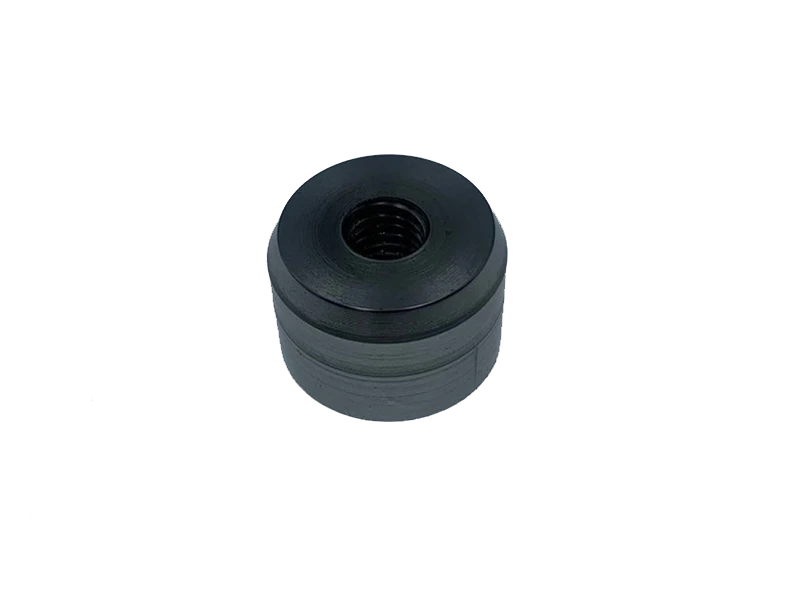
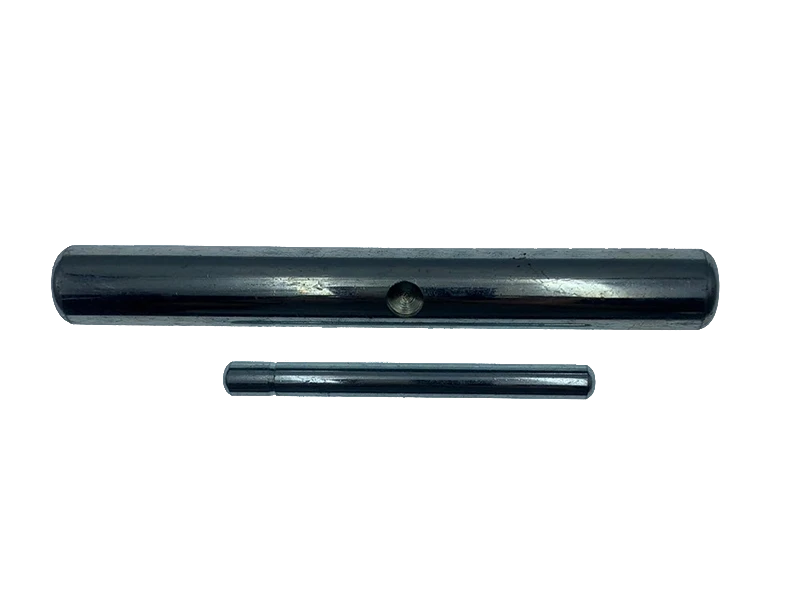
Detail
Bar-fed lathes and milling suit cylindrical parts, precision hardware, machine parts, automotive parts and electronic components in steel, stainless steel, copper or aluminum.
What is wire rod lathe machining?
- Wire rod lathe machining involves fixing cylindrical raw materials on the machine, with the workpiece rotating at high speed while the tool remains fixed, performing operations such as outer diameter cutting, grooving, and tapping. Common lathe processing sizes range: outer diameter Ø 4 ~ Ø 65 mm
What are the differences between milling and lathe machining?
- Milling machining involves fixing or moving the workpiece while the tool rotates at high speed to perform flat cutting or grooving. Lathe machining primarily revolves around the rotation of the workpiece, and both can be used in combination according to product requirements.
What steps are included in the machining process?
- Material selection and pretreatment
- Lathe machining (outer diameter cutting, tapping, etc.)
- Milling machining (flat or groove machining as needed)
- Surface treatment (such as nickel plating, polishing)
- Dimension and quality inspection
Commonly cnc turning and milling part manufacturing parts:
- Automotive parts (shafts, screws, sleeves, etc.)
- Electronic components (connectors, pins)
- Industrial machine components
- Metal accessories for home appliances and furniture
Turning is done with long-term machining partners, and parts are checked with calipers, profile projectors and surface roughness testers against the drawing. Small sample runs and mass production are both available.
Turned parts can be riveted or assembled with our stamped sheet metal parts, so you receive a finished subassembly from one supplier.
Send us your drawings for a quote.
Product Inquiry
| Image | Product Name |
|---|---|
|
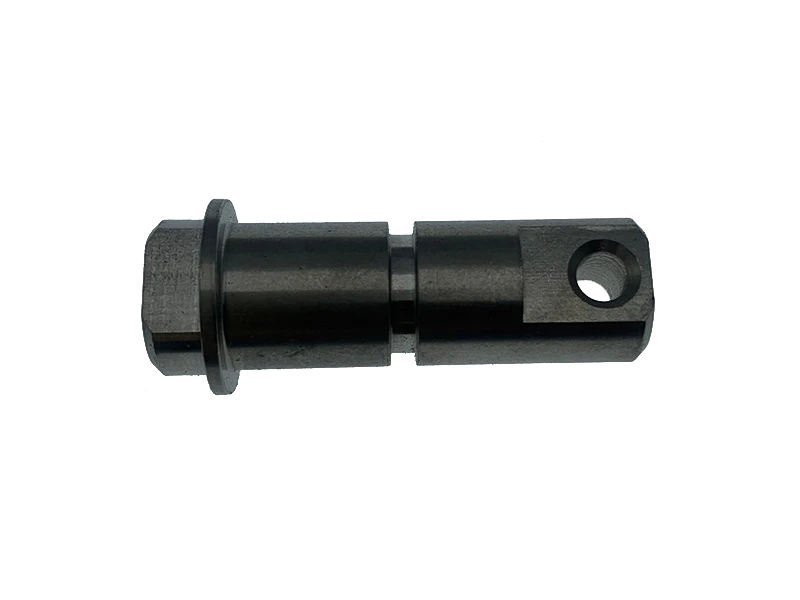
Wire Metal CNC Turning Part Manufacturing |